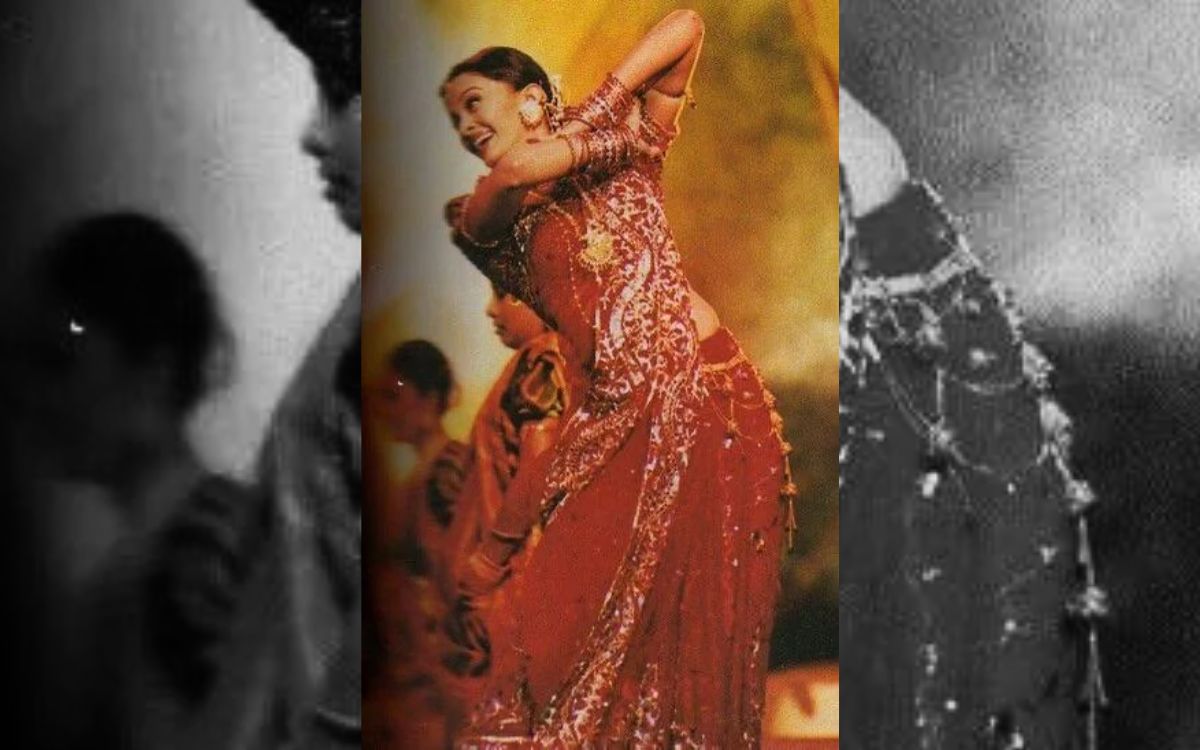
2000s vs Modern Bollywood: A Debate That Keeps Returning
The debate around 2000s Bollywood aesthetics vs modern style continues to divide viewers. The 2000s era focused on bold visuals and dramatic presentation, while modern films lean toward realism and subtle design.
This is not about one being right or wrong. It is about two different filmmaking approaches.
What Defined 2000s Bollywood Aesthetics
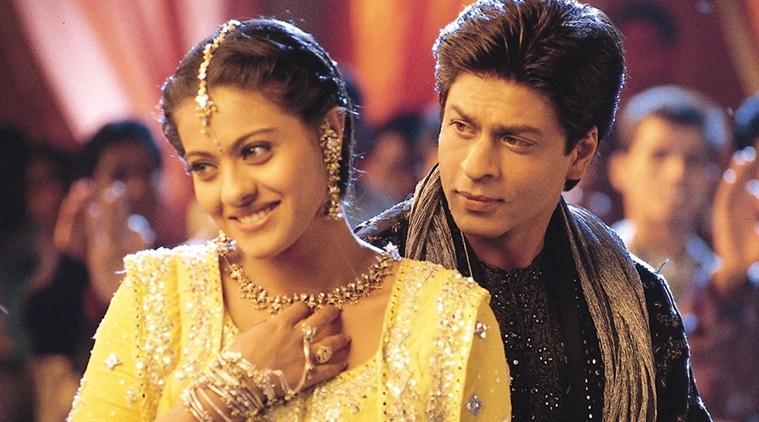
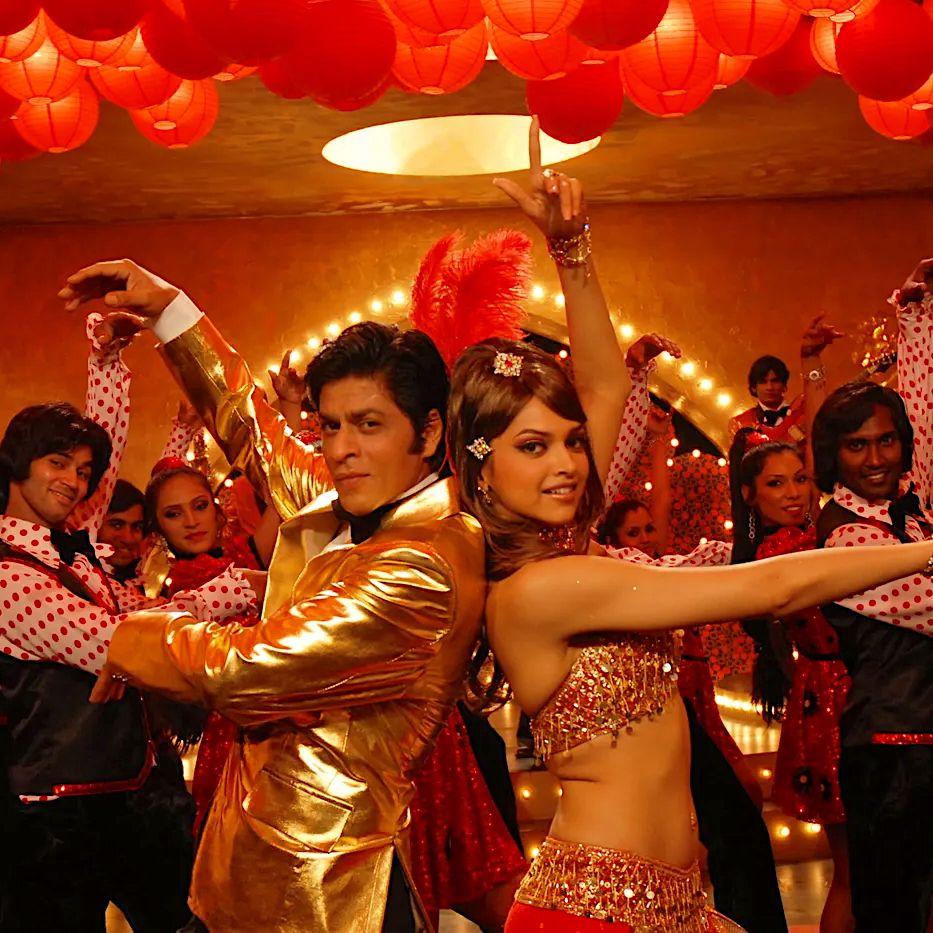
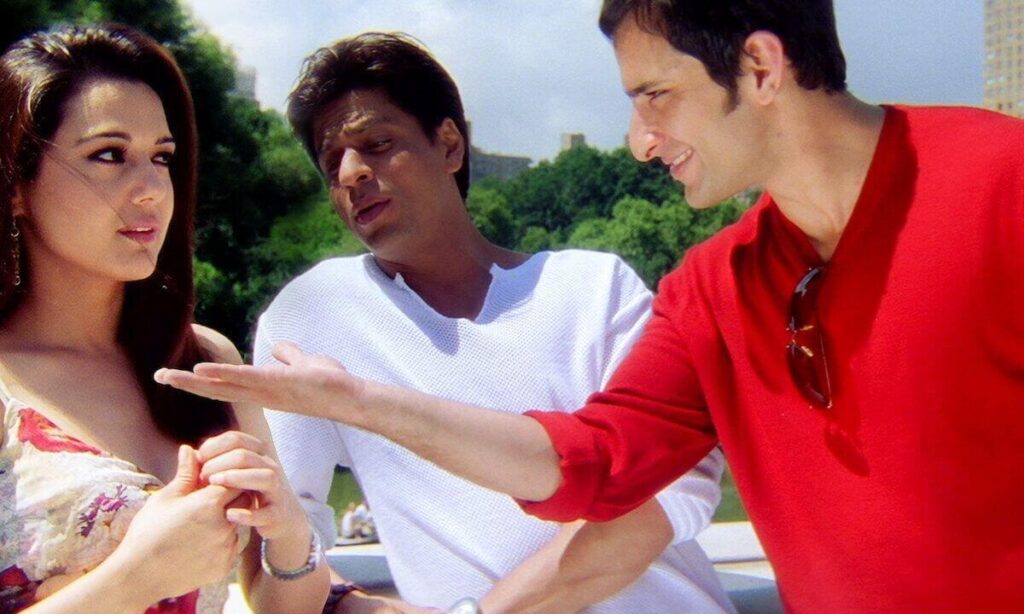
Films in the 2000s had a very clear visual identity. Movies like Kabhi Khushi Kabhie Gham and Kal Ho Naa Ho used large sets, strong colors, and stylised lighting.
Costumes were designed to stand out. Frames often looked carefully constructed rather than natural.
This made films feel grand and cinematic. At the same time, it sometimes reduced realism.
How Modern Bollywood Looks Different
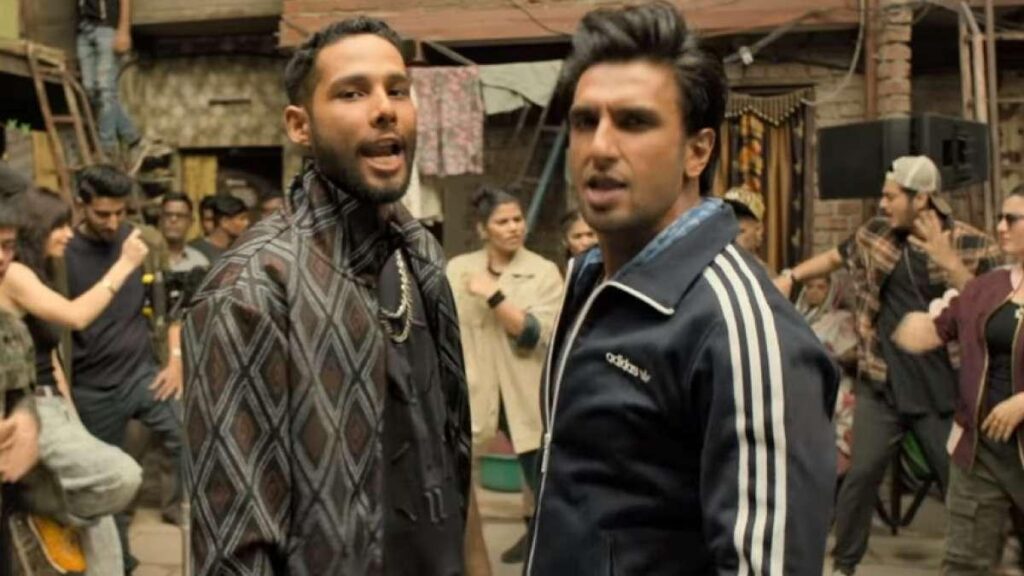
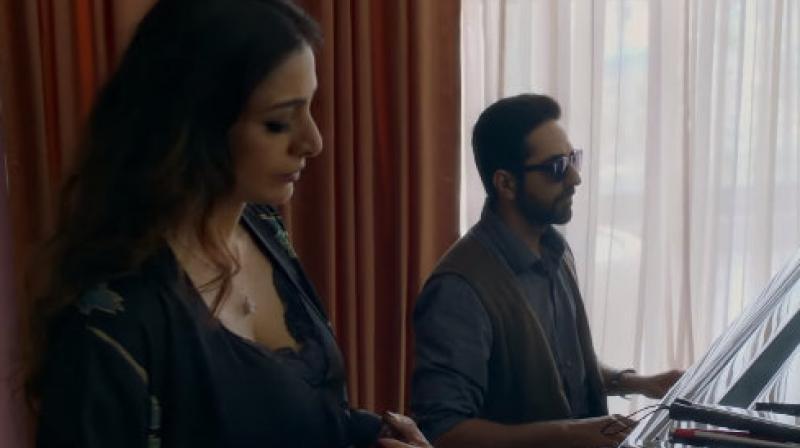
Modern films have shifted toward grounded storytelling. Movies like Gully Boy and Andhadhun use natural lighting and real locations.
The focus is now on immersion instead of spectacle. Cinematography often follows global standards.
This creates a cleaner look, but it can also make films feel visually similar to each other.
Why People Still Prefer 2000s Visual Style
Many viewers prefer the 2000s because those films felt unique. Each movie had a strong visual personality.
The use of color, music, and set design made scenes memorable. Even today, frames from those films are instantly recognizable.
An original takeaway here is that people are reacting to identity, not just nostalgia. The 2000s offered a clearer visual signature.
Why Modern Style Still Works
Modern Bollywood focuses on believability. That helps storytelling feel more grounded.
It also allows filmmakers to explore more realistic themes and characters. This approach suits genres like crime, drama, and thrillers.
However, the trade-off is that visual distinctiveness can sometimes be lost.
What This Means for Bollywood Today
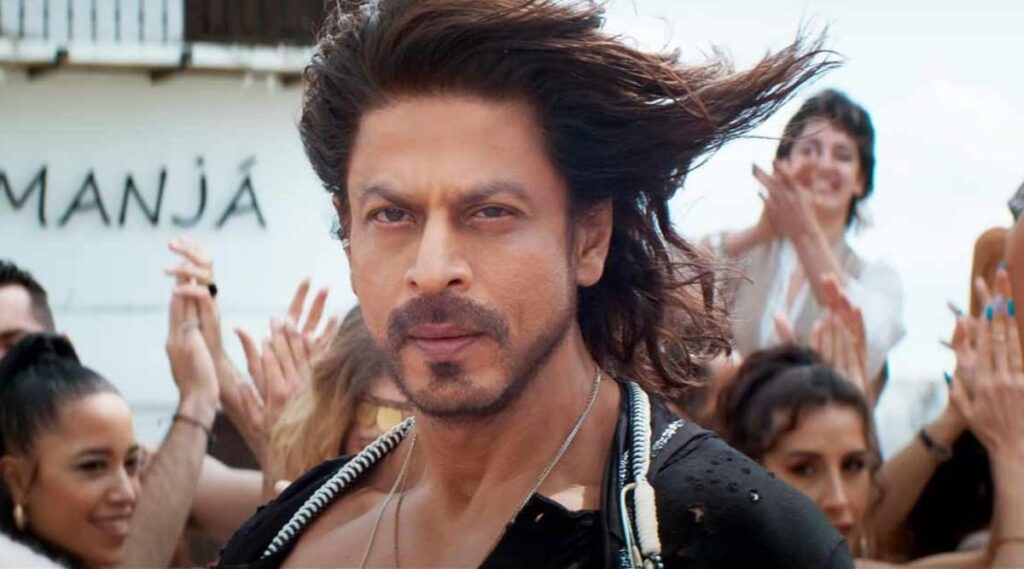
The strongest films today often combine both styles. They use modern techniques but retain some visual flair.
This hybrid approach can deliver both realism and cinematic appeal.
Viewers may not need to choose between the two eras. The industry is already moving toward blending them.